
You finished the work.
You delivered everything on time.
And now… the client isn’t paying.
If you’re dealing with this situation, you’re not alone. Many freelancers face this at some point especially in the beginning.
When a client won’t pay a freelancer, it can feel confusing and frustrating. You start asking yourself:
Did I do something wrong?
Should I send another message?
What if they never reply?
The truth is, unpaid work is one of the most common challenges in freelancing , but most guides don’t explain what it actually feels like or what to do step by step.
In this article, you’ll learn exactly what to do if a client won’t pay a freelancer from the first follow-up message to the steps you can take if the situation doesn’t improve.
Quick Answer: What to Do If a Client Won’t Pay a Freelancer
If a client won’t pay a freelancer, the first step is to stay calm and follow a clear process. Start by checking your agreement and payment terms to confirm what was agreed. Then send a polite follow-up message, as delays are often unintentional.
If there is still no response, send a more direct payment reminder with a clear deadline. At this stage, it’s important to remain professional while being firm.
If the client continues to ignore your messages, you may need to pause work, send a formal notice, or consider further action depending on the situation.
In short:
- Confirm the payment terms
- Send a polite follow-up
- Send a clear reminder with deadline
- Pause work if necessary
- Escalate if the issue continues
First: Don’t Panic (What Usually Happens)

When a client won’t pay a freelancer, the first reaction is usually stress. You might feel frustrated, confused, or even start questioning your work. This is completely normal especially if it’s your first time dealing with an unpaid invoice. However, not every late payment means the client is trying to avoid paying you.
In many cases, delays happen because:
- the client is busy or forgot
- internal approvals are slow
- there was a misunderstanding about payment terms
This doesn’t make the situation less important, but it does mean you shouldn’t jump to conclusions too quickly. For example, according to U.S. Chamber of Commerce, many payment issues are resolved simply by sending a clear follow-up and maintaining communication with a client.
That’s why the best first step is not confrontation – it’s clarification.
If you haven’t experienced this before, it can feel similar to the early stages of freelancing where uncertainty is common.
Step 1: Check Your Agreement & Payment Terms
Before assuming the client is not going to pay, take a step back and review what was agreed. Start by checking:
- your contract (if you have one)
- the payment terms you discussed
- the invoice details (amount, due date, method)
Sometimes the issue is not refusal , it’s confusion. For example, the client might think:
- payment is due after revisions
- payment is scheduled later
- or they simply misunderstood the deadline
This is why it’s important to confirm the situation before taking further action. If you clearly stated your terms in advance, it becomes much easier to follow up with confidence.
If you’re unsure how to structure this in the future, it’s helpful to understand how freelancers present their services and expectations clearly. You can explore this in your guide on how to create a freelance profile that attracts clients.
Step 2: Send a Polite Follow-Up Message
Once you’ve checked your payment terms, the next step is to follow up , but in a calm and professional way. At this stage, you should assume the delay is unintentional.
Many freelancers make the mistake of sounding frustrated too early, which can damage the relationship. A simple and polite message is often enough to resolve the issue.
Example: Polite Follow-Up Message
You can send something like this:
Hi [Client Name],
I hope you’re doing well. I just wanted to follow up regarding the payment for the recent project.
Please let me know if everything is on track or if you need any additional information from my side.
Looking forward to your update.
Best regards,
[Your Name]
Why this works
This message is effective because it:
- doesn’t accuse the client
- keeps the tone professional
- opens the door for communication
In many cases, this step alone solves the problem. If you’ve already learned how to communicate clearly with clients, you’ll notice that tone matters as much as the message itself.
Step 3: Send a Clear Payment Reminder (With Deadline)
If your first follow-up message doesn’t get a response, the next step is to be more direct. At this stage, you’re no longer just checking in you’re clearly requesting payment and setting expectations. It’s important to stay professional, but also firm. A clear message with a deadline shows that you are serious about getting paid.
Example: Payment Reminder Message
You can send something like this:
Hi [Client Name],
I wanted to follow up again regarding the outstanding payment for the project.
As per our agreement, the payment was due on [date]. I would appreciate it if you could complete the payment by [new deadline].
Please let me know if there are any issues or updates.
Thank you,
[Your Name]
Why this step matters
This message works because it:
- clearly states the issue
- reminds the client of the agreement
- introduces a deadline
At this point, many clients respond , especially when they realize the situation is being taken seriously.
Step 4: Decide Whether to Continue or Pause Work

If the client still hasn’t responded after multiple messages, you need to make a decision: Do you continue working… or pause until payment is made?
At this stage, continuing to work without payment can put you at risk of losing more time and effort without any guarantee. In most cases, it’s better to pause the project until the situation is clarified.
When should you pause work?
You should seriously consider pausing work if:
- the client ignores multiple follow-ups
- the payment is significantly overdue
- there is no clear communication
Continuing in these conditions can make the situation worse.
How to communicate this professionally
It’s important to stay calm and professional when you pause work.
You can say something like:
Hi [Client Name],
I wanted to follow up again regarding the pending payment.
At this point, I will need to pause work on the project until the payment is completed.
Please let me know once the payment is processed so we can continue.
Thank you for your understanding.
Why this step matters
Pausing work:
- protects your time
- shows professionalism
- sets clear boundaries
It also signals to the client that payment is required before moving forward.
Step 5: Escalate the Situation (If Payment Still Doesn’t Come)
If the client still hasn’t paid after multiple reminders and you’ve paused the work, it may be time to take more formal action. At this point, the goal is to clearly communicate that the situation is serious.
Send a final payment notice
Before taking any further steps, send one last message that clearly states the situation and your expectations.
Hi [Client Name],
This is a final reminder regarding the outstanding payment for the project.
If the payment is not received by [final deadline], I may need to take further action to resolve the issue.
I would prefer to resolve this directly, so please let me know how you would like to proceed.
Best regards,
[Your Name]
What “further action” can mean
Depending on the situation, this could include:
- sending a formal invoice or demand letter
- using a freelance platform’s dispute system (if the project was through platforms like Upwork or Fiverr)
- contacting a collection service
- or, in more serious cases, taking legal action
According to guidance from the U.S. Chamber of Commerce, escalation should be considered only after clear communication and multiple follow-ups.
Keep expectations realistic
It’s important to understand that not every case will be resolved. Sometimes, the best outcome is learning how to protect yourself better in the future.
How to Avoid This Problem in the Future
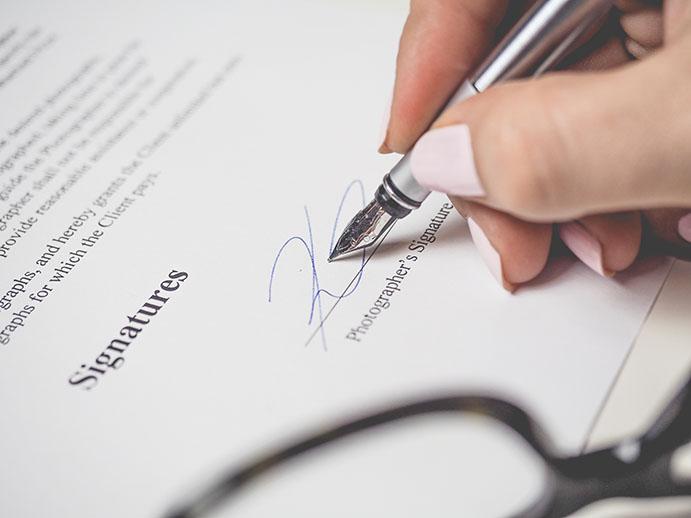
While dealing with a client who won’t pay is difficult, it’s also a learning moment.
The best long-term solution is to reduce the chances of this happening again.
Always define clear payment terms
Before starting any project, make sure you clearly agree on:
- total price
- payment schedule
- due dates
- payment method
Even a simple written agreement can prevent misunderstandings later. Many payment issues can be avoided by setting clear expectations from the beginning of the project.
Ask for partial payment upfront
One of the most effective ways to protect yourself is to request an advance payment.
For example:
- 30–50% upfront
- remaining amount after delivery
This ensures you don’t risk doing all the work without any payment.
Use platforms or secure payment methods
If you’re working through platforms like Upwork or Fiverr, they usually offer built-in payment protection systems.
For direct clients, consider using secure methods or invoicing tools that provide tracking and documentation.
Trust your first impression
If a client:
- avoids discussing payment
- is unclear about expectations
- or pushes for work before agreement
these are often early warning signs.
It’s better to be cautious at the beginning than deal with problems later.
Conclusion
Dealing with a client who won’t pay can be frustrating, especially when you’ve already completed the work.
However, reacting emotionally rarely helps. The best approach is to follow a clear process: review your agreement, send professional follow-ups, set deadlines, and escalate only when necessary.
In many cases, payment issues are resolved through communication. When they aren’t, having documentation, clear payment terms, and professional boundaries can make a significant difference.
Most importantly, use each experience as an opportunity to improve your freelance process. The goal isn’t just to solve one payment problem it’s to build a business that protects your time, effort, and income in the future.
FAQ
Start by reviewing your agreement and payment terms. Then send a polite follow-up message, followed by a more direct reminder if necessary. If the client continues to ignore you, consider pausing work and escalating the situation
A good rule is to wait a few days after the payment due date before sending a friendly reminder. If there is no response, follow up again with a clearer payment request.
In most cases, no. If payment is overdue and the client is not responding, it’s usually better to pause work until the issue is resolved.
The best ways to reduce risk include:
using contracts
setting clear payment terms
requesting a deposit upfront
keeping written records of agreements
using secure payment platforms