
Freelancing has become one of the most accessible ways for women to start earning online. Unlike traditional careers, freelancing does not require years of experience, expensive degrees, or large investments. What it requires is skill, consistency, and a willingness to learn.

Many women hesitate to begin because they believe they are “not ready” or “not qualified.” The truth is that everyone starts with zero experience. What matters most is starting with the right strategy.
In this guide, you will learn how to begin freelancing step by step — even if you have no prior experience, no portfolio, and no clients.
Why Freelancing Is Beginner-Friendly
Freelancing is one of the easiest online career paths for beginners because it allows you to start small and grow gradually. You do not need to apply for formal jobs or wait for long hiring processes. Instead, you can begin offering your services as soon as you develop basic skills.
Many freelance services are based on simple tasks such as writing, designing basic graphics, managing social media accounts, organizing data, or providing customer support. These skills can be learned within weeks through free or affordable online resources.
Another advantage of freelancing is flexibility. You can choose how much you work, which clients you accept, and how quickly you want to grow. This makes freelancing ideal for students, stay-at-home mothers, and women who want to build income alongside other responsibilities.
Most importantly, freelancing allows you to learn while earning. Each project improves your experience, confidence, and professional reputation.
Skills You Can Start With Today
1. Content Writing and Editing
If you enjoy writing, you can offer blog writing, social media captions, product descriptions, or proofreading services. Strong communication skills are always in demand.
2. Graphic Design Using Simple Tools
With tools like Canva, beginners can create social media posts, presentations, and basic marketing materials without professional design training.
3. Social Media Management
Many small businesses need help managing their social media accounts. This includes posting content, replying to messages, and tracking engagement.
4. Virtual Assistance
Virtual assistants help with scheduling, email management, research, and data entry. This role is ideal for organized individuals.
5. Data Entry and Online Research
These tasks require accuracy and attention to detail rather than advanced skills. They are good starting points for beginners.
Choose one skill and focus on improving it for at least 30–60 days before expanding into other areas.
Best Platforms for Beginner Freelancers
Finding the right platform is important for beginners because it helps you connect with clients and gain your first projects. While competition exists, many women successfully start their freelancing journey by using the right strategies.
Here are some beginner-friendly platforms to consider:
1. Fiverr
Fiverr allows you to create service packages called “gigs” and showcase your skills. Beginners can start with simple services and gradually increase prices as they gain experience.
2. Upwork
Upwork connects freelancers with clients who post job opportunities. While it may take time to win your first project, consistent applications and strong profiles increase your chances.
3. Freelancer.com
This platform offers a wide range of projects in writing, design, marketing, and administrative work. It is suitable for beginners willing to learn and compete.
4. LinkedIn
LinkedIn is not only for job searching. Many clients use it to find freelancers. Building a professional profile and networking actively can lead to long-term opportunities.
5. Direct Outreach
You can also contact small businesses, startups, and content creators directly through email or social media. Personalized messages often lead to better responses than generic applications.
Start with one or two platforms and focus on building a strong reputation before joining multiple marketplaces.
These platforms provide beginner-friendly environments for building experience and professional credibility.
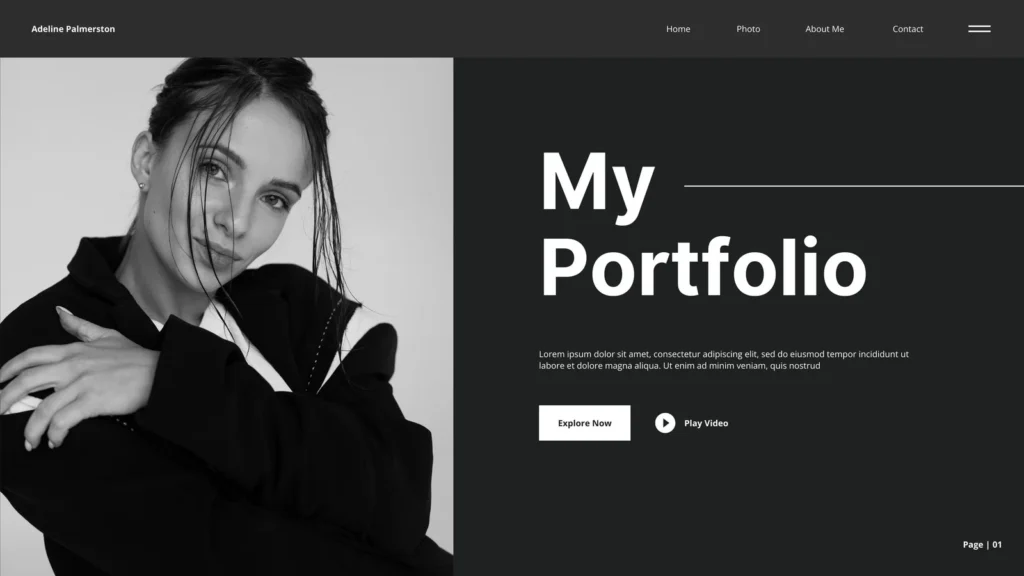
How to Build a Simple Portfolio Without Experience
Many beginners believe they cannot start freelancing without a portfolio. In reality, you can create a strong portfolio even before getting your first client.
A portfolio simply shows what you can do. It does not have to include paid projects at the beginning.
Here are practical ways to build your first portfolio:
1. Create Sample Projects
Design sample social media posts, write blog articles, or create mock websites related to your chosen skill. Treat these samples as real projects and present them professionally.
2. Offer Free or Discounted Work Temporarily
You can work with small businesses, nonprofits, or friends at low or no cost in exchange for testimonials and permission to showcase your work.
3. Use Personal Projects
Start a blog, Instagram page, or online store to demonstrate your abilities. These projects show commitment and creativity.
4. Document Your Process
Share before-and-after examples, screenshots, or explanations of how you solved problems. This builds credibility.
5. Organize Your Work Online
Use a simple website, Google Drive folder, or LinkedIn profile to display your portfolio clearly and professionally.
A strong portfolio builds confidence and increases your chances of getting hired.
How to Get Your First Freelance Client
Getting your first freelance client is often the most challenging step, but it is also the most rewarding. Once you complete your first project, your confidence and motivation increase significantly.
Here are proven ways to find your first client:
1. Optimize Your Profile
On freelance platforms, your profile is your first impression. Use a professional photo, write a clear description of your skills, and highlight what problems you can solve.
2. Send Personalized Proposals
Avoid copying and pasting generic messages. Read each job description carefully and explain how you can help the client specifically.
3. Start with Small Projects
Do not ignore small or low-budget projects at the beginning. These help you gain experience, reviews, and confidence.
4. Use Your Network
Tell friends, classmates, and family that you are offering freelance services. Many beginners get their first clients through personal connections.
5. Be Reliable and Professional
Always deliver work on time, communicate clearly, and respect deadlines. Good behavior leads to repeat clients and referrals.
Your first client may take time to find, but persistence always pays off.
Common Mistakes Beginner Freelancers Make
Many beginner freelancers struggle not because they lack talent, but because they repeat common mistakes that slow down their progress.
Being aware of these mistakes can help you avoid unnecessary frustration and wasted time.
1. Underpricing Your Services
Charging extremely low prices may attract clients, but it often leads to burnout and low-quality work. Start fairly and increase your rates as your skills improve.
2. Accepting Every Project
Not all clients are suitable. Working with difficult or unclear clients can waste time and energy. Learn to choose projects carefully.
3. Ignoring Skill Development
Some beginners stop learning after getting their first client. Continuous improvement is necessary to remain competitive.
4. Poor Communication
Delayed replies and unclear messages create mistrust. Professional communication builds strong client relationships.
5. Giving Up Too Quickly
Many freelancers quit after a few rejections. Success requires patience and consistent effort.
Avoiding these mistakes helps you build a sustainable freelance career.
Final Tips for Long-Term Freelancing Success
Building a successful freelancing career is a long-term journey that requires discipline, patience, and continuous improvement. While early results may feel slow, consistent effort always leads to progress.
Here are essential tips to help you grow sustainably:
1. Treat Freelancing Like a Business
Set clear working hours, manage your finances, and track your projects professionally. This mindset separates successful freelancers from hobbyists.
2. Invest in Skill Development
Regularly upgrade your skills through courses, practice, and feedback. Higher-level skills lead to better-paying opportunities.
3. Build Long-Term Client Relationships
Repeat clients provide stable income and reduce the need for constant job searching. Focus on delivering excellent service.
4. Protect Your Time and Energy
Avoid overworking. Rest, exercise, and personal time are necessary for long-term productivity.
5. Stay Updated With Industry Trends
Follow blogs, podcasts, and communities related to freelancing and online work. Staying informed keeps you competitive.